
Greetings 你好 from China 中国!
Sorry 对不起 this wasn’t sent earlier – it’s been a little hectic, and there’s always something to be doing (like studying Chinese 中文! 🙂 ). I suppose it’s only been a week and a half, which doesn’t seem like too long a wait for an update (it just feels like it’s been twice that).
Feel free to forward this to any friends or family of mine whom you know (or even suspect 😉 ) might want to read it.
Disclaimer: I write 写 rather verbosely. I probably should have mentioned this when I invited people to sign up. Well, consider this your warning! I figure it’s better to write lots, and satisfy those of you who really want to know a lot about my life right now (especially since I don’t have lots of time to talk to everyone individually), and the rest of you can skim ;). (Edit: this one is particularly long, it definitely looks like I didn’t write this soon enough).
In any case, we – myself 我, 13 classmates 同学, and the 2 daughters 女儿 of our leaders – made it safe to China – 3 hours to Chicago, 5 hours to San Francisco, then 14ish to Chengdu 成都, the capital of the Sichuan 四川 province (plus layovers in between). Including a 12 hour time difference mixed up with a jump over the date-line (whatever it’s called), we traveled from 4 AM Goshen 高深 time to 6:30 PM Sichuan (China) time the next day. Once we arrived there was a bus waiting to take us directly to Nanchong 南充, where we’ll be studying – another 3 hours in a bus. Some people wanted to immediately crash (including me), but others decided to go out and look for a noodle 面汤 shop; after realizing my roommate was one of the latter, I decided to go along. The noodles were – you guessed it – delicious, although none of us understood anything on the (completely in characters) menu (Wang Ying, our local coordinator, was very helpful :). You can read a little more about her role on the blog, if you haven’t already checked it out – goshen.edu/china/current-blog). I didn’t regret it, although I don’t think I would have regretted sleeping, either – there’re lots of chances to eat noodles here :).
There are more than a handful of things to say, so I’m trying to figure out the best stories to tell, observations to share, and updates to provide. Here are a few:
(Oh, first I want to mention that I should have been traveling with 14 of my classmates, but one of them was delayed because Hurricane Harvey directly affects her family. Please continue to be in prayer and support of this situation).
- Our schedule for the Study portion looks more or less like this:
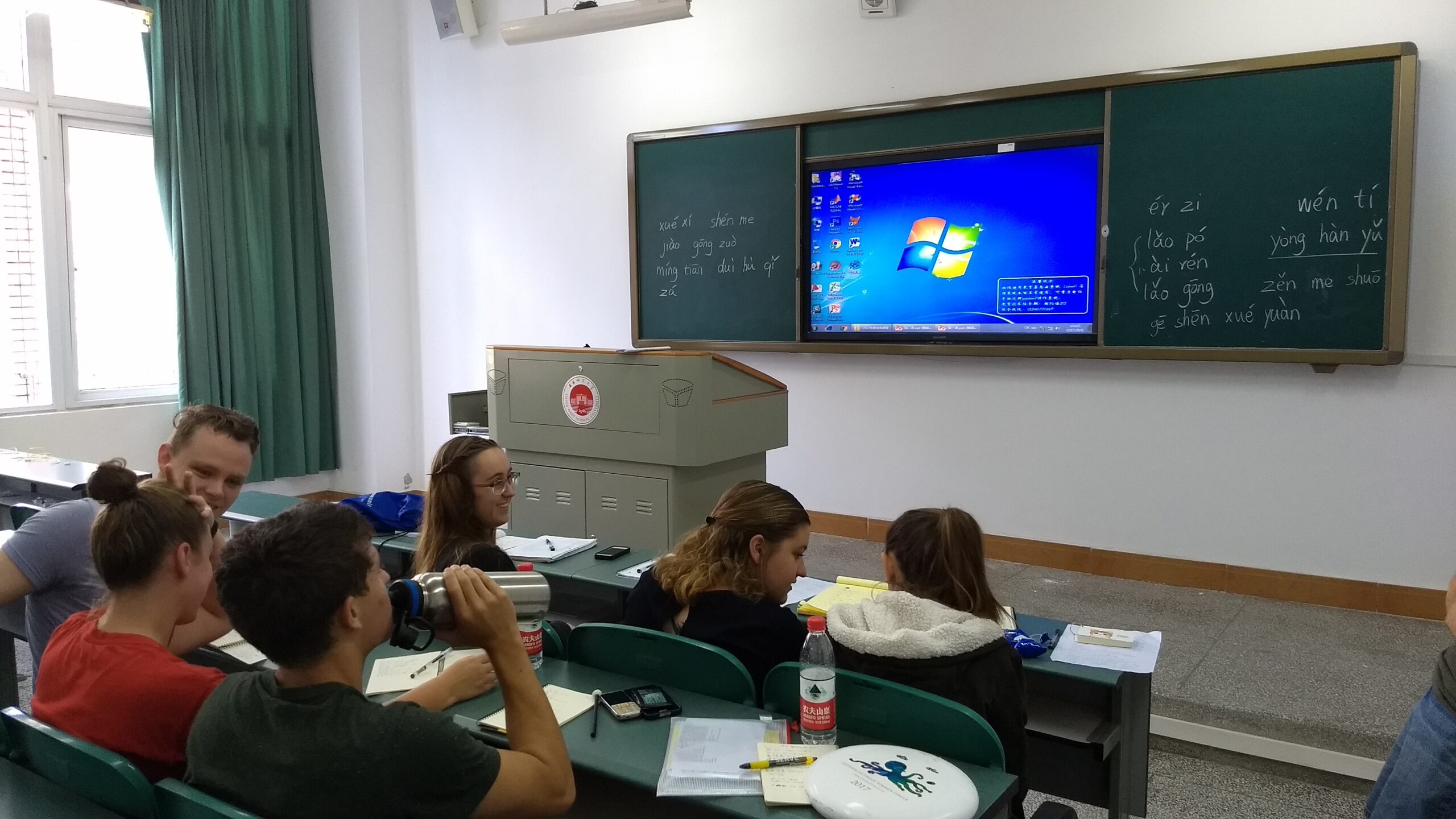
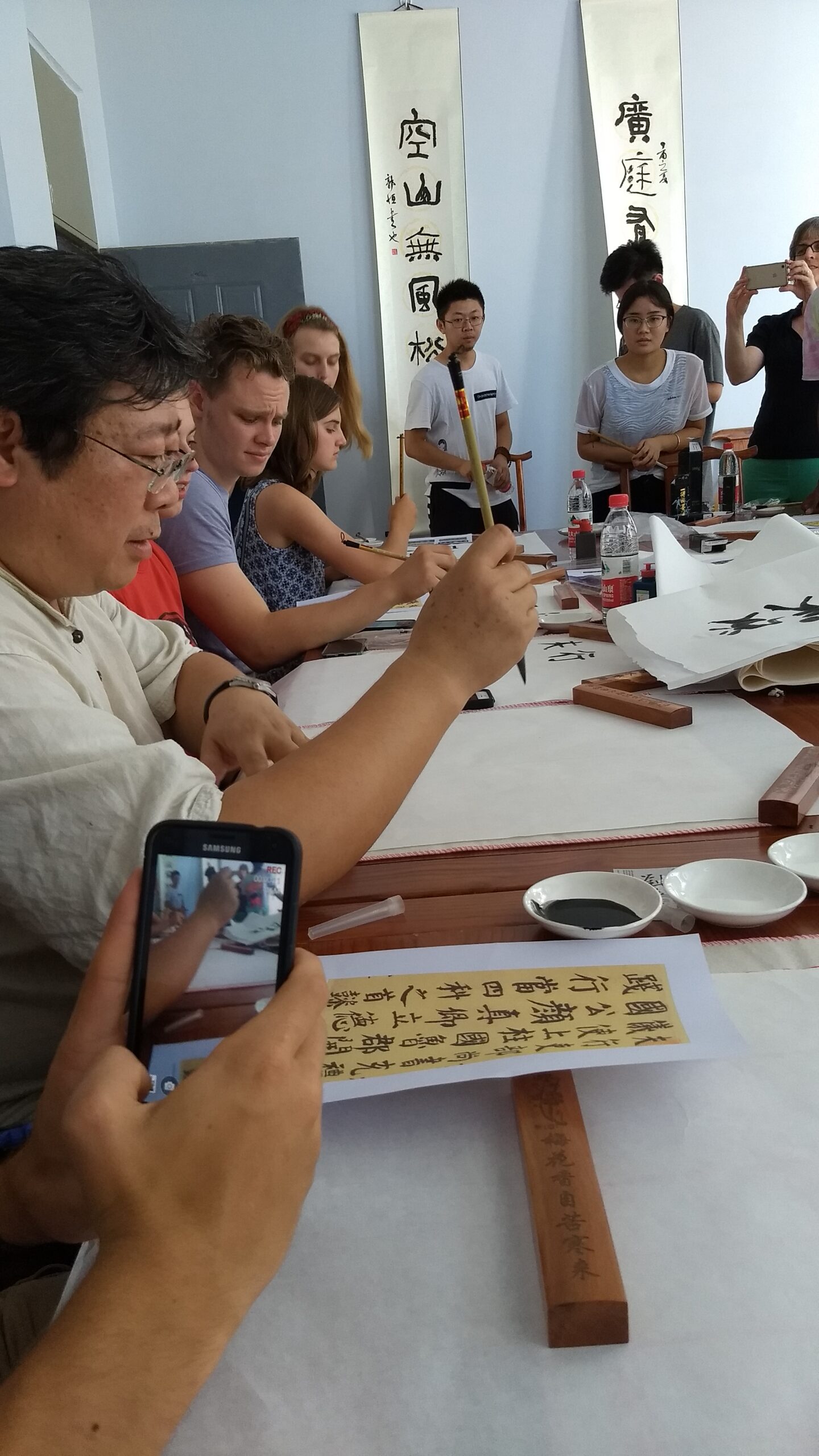
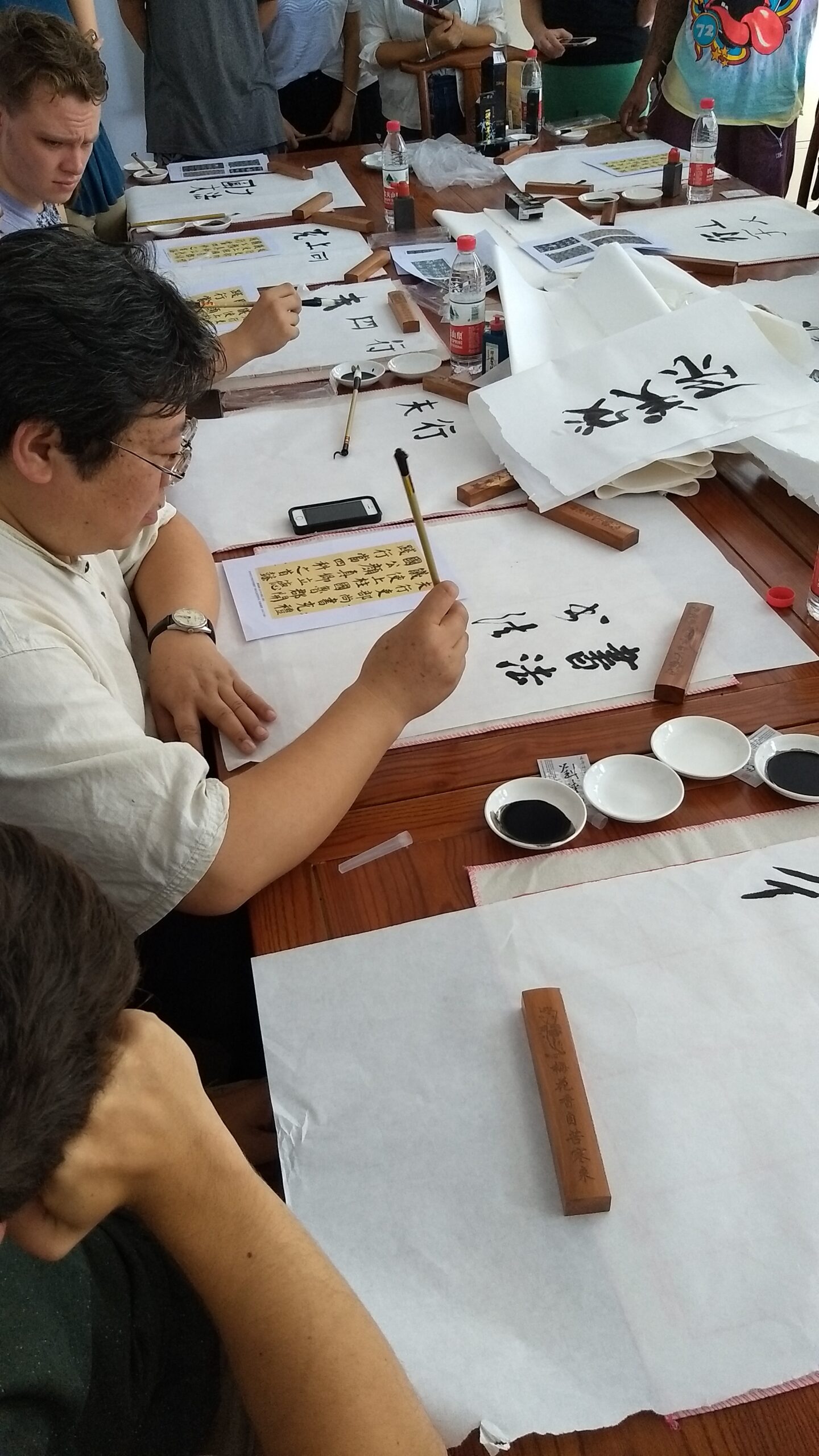
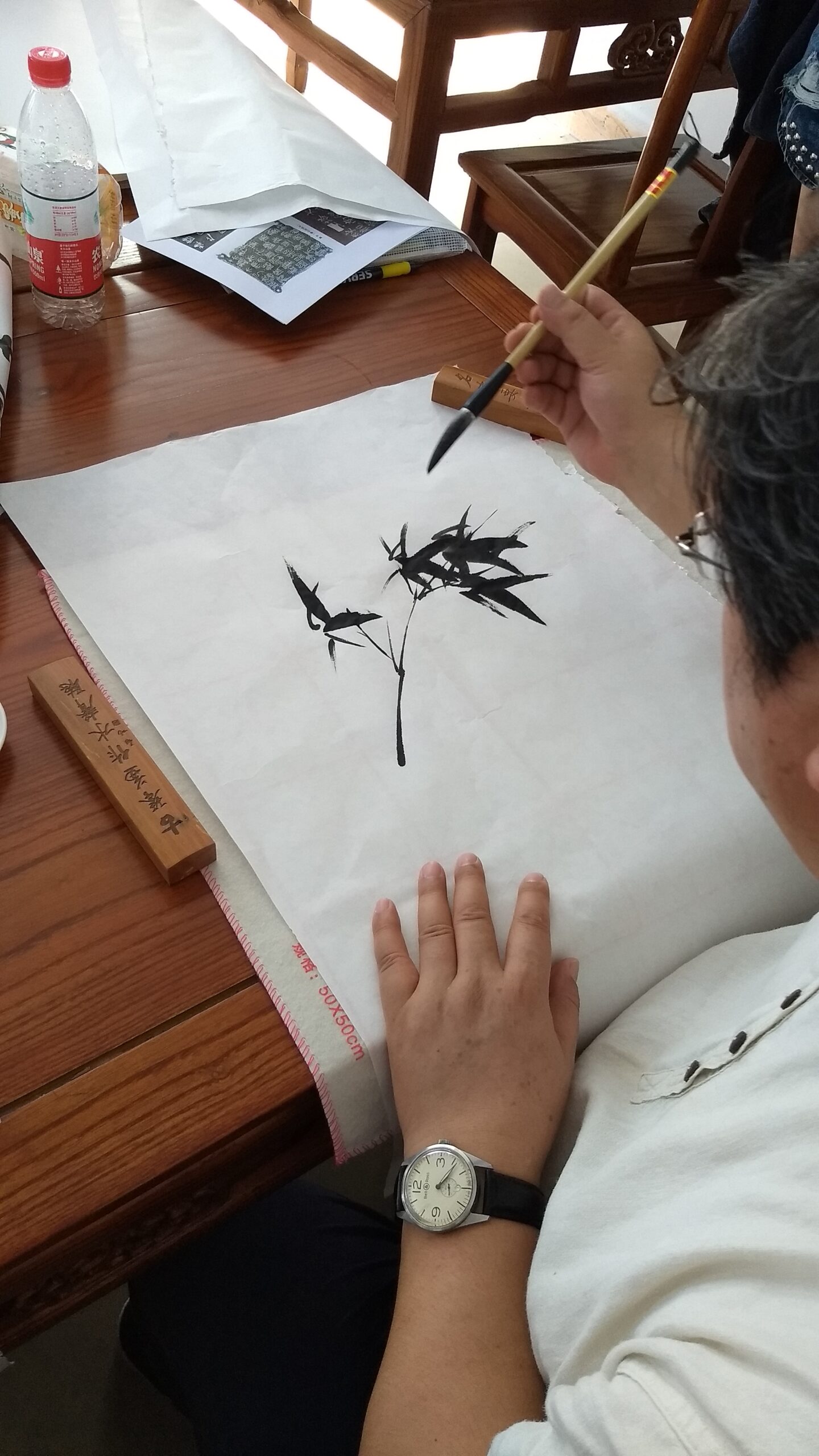
- M-F Chinese 9:00-11:30, a ridiculously (beautifully) long lunch break from 11:30-3:00 to explore and do homework, an additional class (subjects such as calligraphy, traditional dance, traditional music, traditional medicine, history, geography, tai-chi (taiji 太极), and more) from 3-5, and then time with our families for the rest of the evening.
- Some of our weekends are accounted for – group excursions to various interesting locations – but others (like this one) are spent doing whatever our family wants. For example, this weekend I studied, played some badminton and ping pong with my dad, went to a (beautiful) park with my family 家, made dumplings 饺子, climbed a (picturesque) mountain, played go (weiqi 围棋) with my brother (he beats me handily every time and has a training class for it as part of kindergarten (!) ), played Chinese Chess 象棋 with my dad (I’ve fallen in love with it, it’s such a great game), and probably some other stuff I’ll remember as soon as I’ve sent this.
- My family includes:
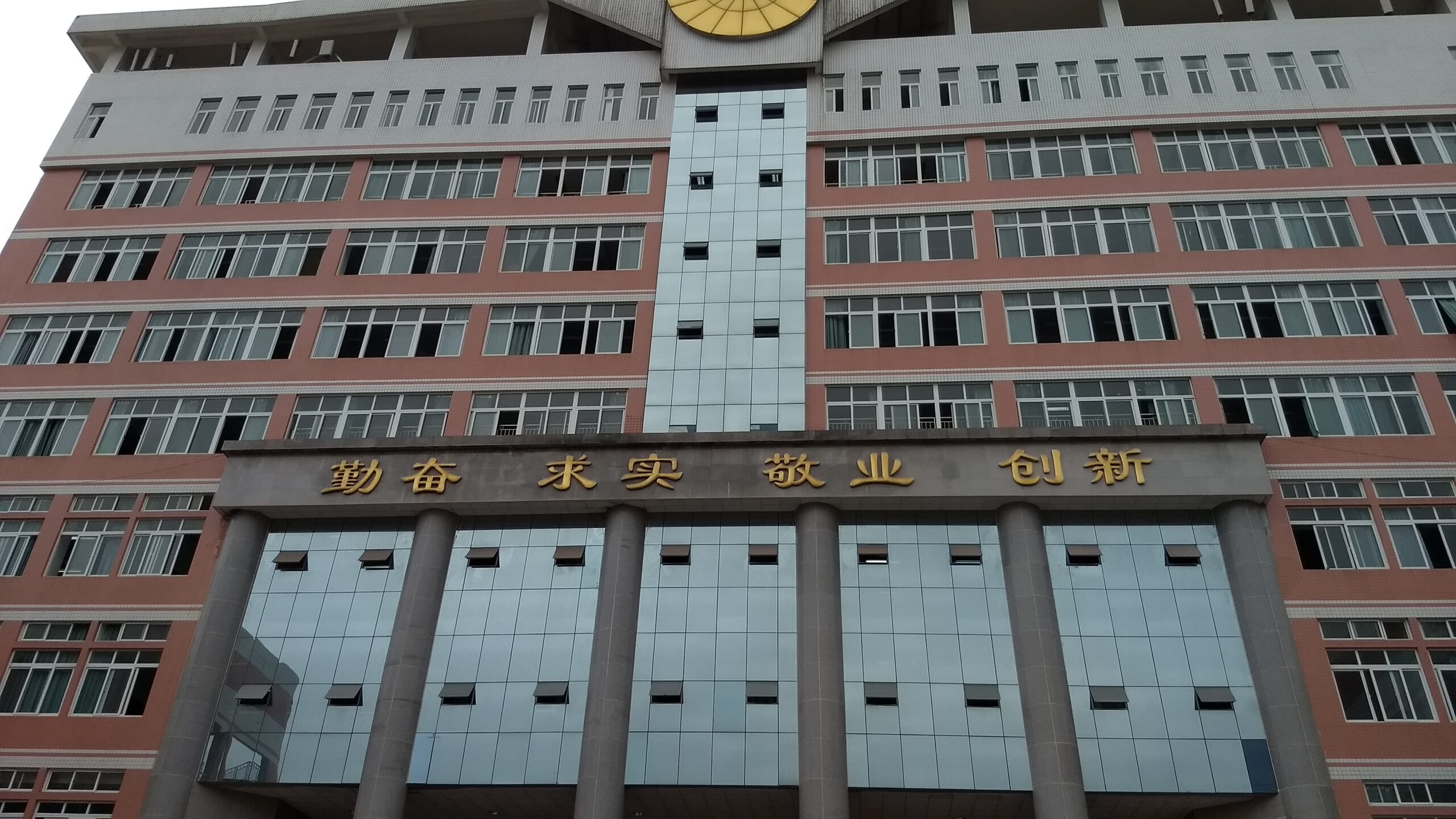
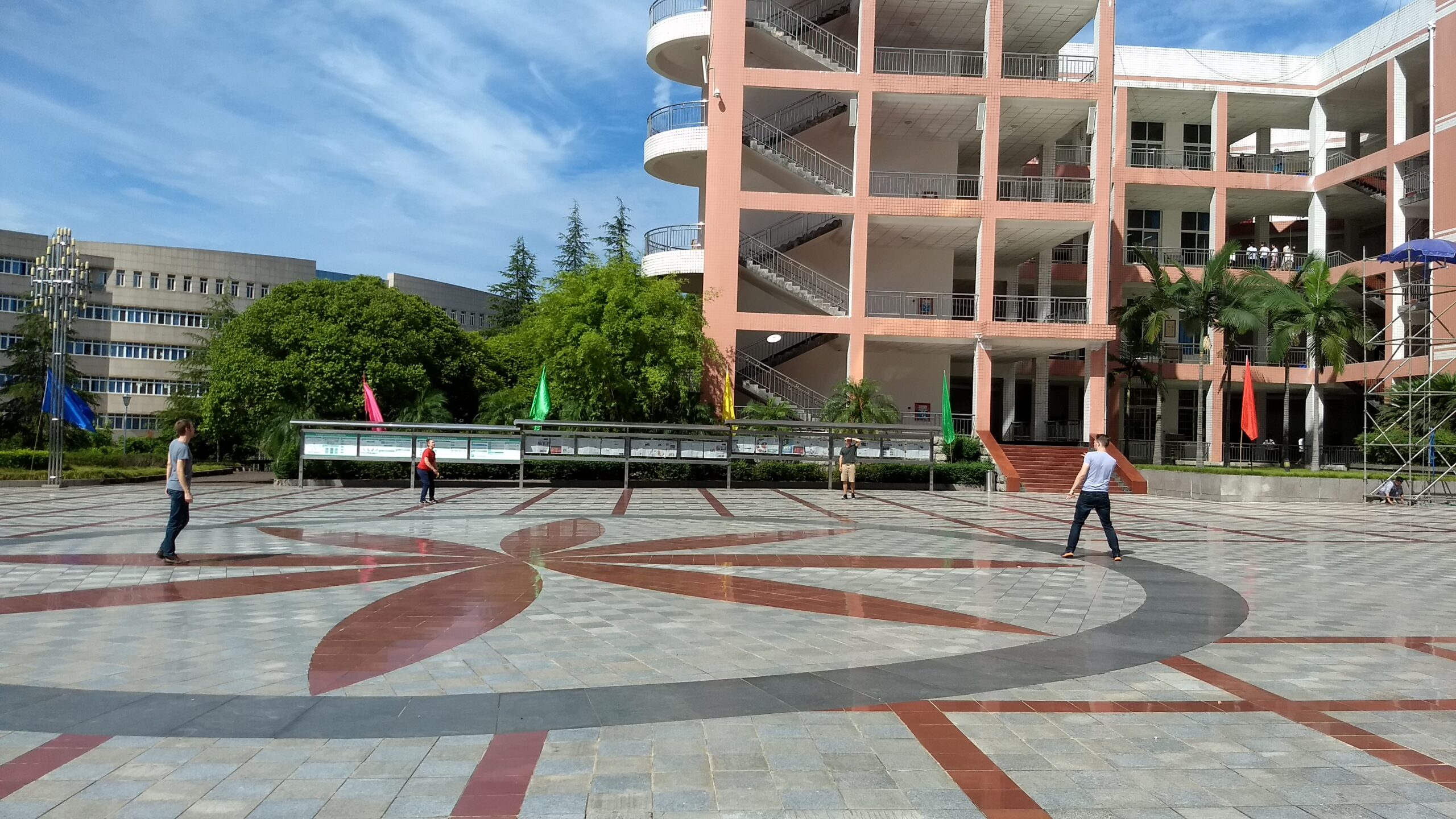
- My father, Zheng Qi 郑奇 (Qi 奇 is a verb meaning to be surprised or astonished or an adjective meaning strange, rare, or wonderful), who is a linguist at the university we’re studying through (China West Normal University 西华师范大学) – I know him best as I’ve spent the most time with him, and I very much enjoy interacting with him;
- My mother, Zhou Yu 周玉 (Yu 玉 means jade, a beautiful name as most female Chinese names are), who is a doctor 医生 and thus very busy – she is a pleasure to be around as well, with many good questions about America 美国 and insights into China, but like I said she is very busy and thus not home a lot. Last weekend I didn’t see her from Saturday night until Monday evening (she left before I woke up and came back after I was asleep), although that was largely because she’d skipped work on Friday to greet me;
- My brother, Zheng Yun 郑云or Yun Yun 云云 (Yun 云 means cloud), who is 5 years old and very excitable (and an excellent language companion, as he asks for English words almost as often as I ask for Chinese, he speaks very slowly and clearly so I can hear him properly (even if I don’t understand 😉 ), and he corrects me if my pronunciation is even a little off);
- My grandparents, Zhou Yu’s parents Zhou Tai Gao 周太高 and Liu Yu Qing 刘玉请, who don’t live with us but are here pretty constantly – they look after Yun Yun and cook dinner and help out in various other ways. They are very hospitable, and I would love to get to know them more, but it is difficult because they don’t speak any English and I don’t really speak any Mandarin (and their Mandarin is a heavy Sichuan dialect, which doesn’t help).
- Speaking of which, my parents are very competent English speakers, so it is much less of an immersive experience than I expected and hoped for; that being said, were I immersed I simply wouldn’t be able to understand anything (we really don’t know hardly any Mandarin, and the few times I’ve been alone with one of my grandparents have shown me that life would be very difficult without any English). My host father also often uses a translation app, which can be helpful (but again, I’m a little torn on how much immersion I want). Hopefully as I learn more we’ll move towards more Chinese (and there is still Chinese spoken around me pretty much constantly while I’m home, because my parents and grandparents speak to each other). But conversational ability appears, at this point, to be a pretty fanciful dream.
- Nanchong is very loud.
- This is first noticeable via cars: people honk all the time. In America, I would suggest we honk for two reasons: (1) we are angry with someone, or (2) someone just did or is doing something dangerous, and we need to let them know. In China, the latter reason is also true (I haven’t witnessed the former), but people also honk whenever they think someone might need to know where they happen to be. So if you’re going around a corner, you honk. If you see a pedestrian on the side of the road (there are many), you honk. If you decide to cross the road against oncoming traffic (green light 绿灯 doesn’t mean/isn’t treated as left turn yield, apparently, it’s just GO), you honk to make sure they see you (and they honk for the ‘ahh they’re being crazy!’ reason 😉 ). This definitely makes sense to me, but after a while honks start to become meaningless – just noise that surprises and deafens the unsuspecting visitor. One of my classmates has even observed people driving with earphones in (and I’ve seen motorcyclists with the same). I don’t know if this latter ‘preemptive honking’ practice is more common in American cities as well.
- Second, the streets are loud: loud speakers blare with advertisements, traffic whizzes by, and people shout Chinese into their phones or at their neighbors. We were warned that the Chinese often sound angry even when they aren’t – perhaps a result of both language and culture – and my classmates and I can confirm it.
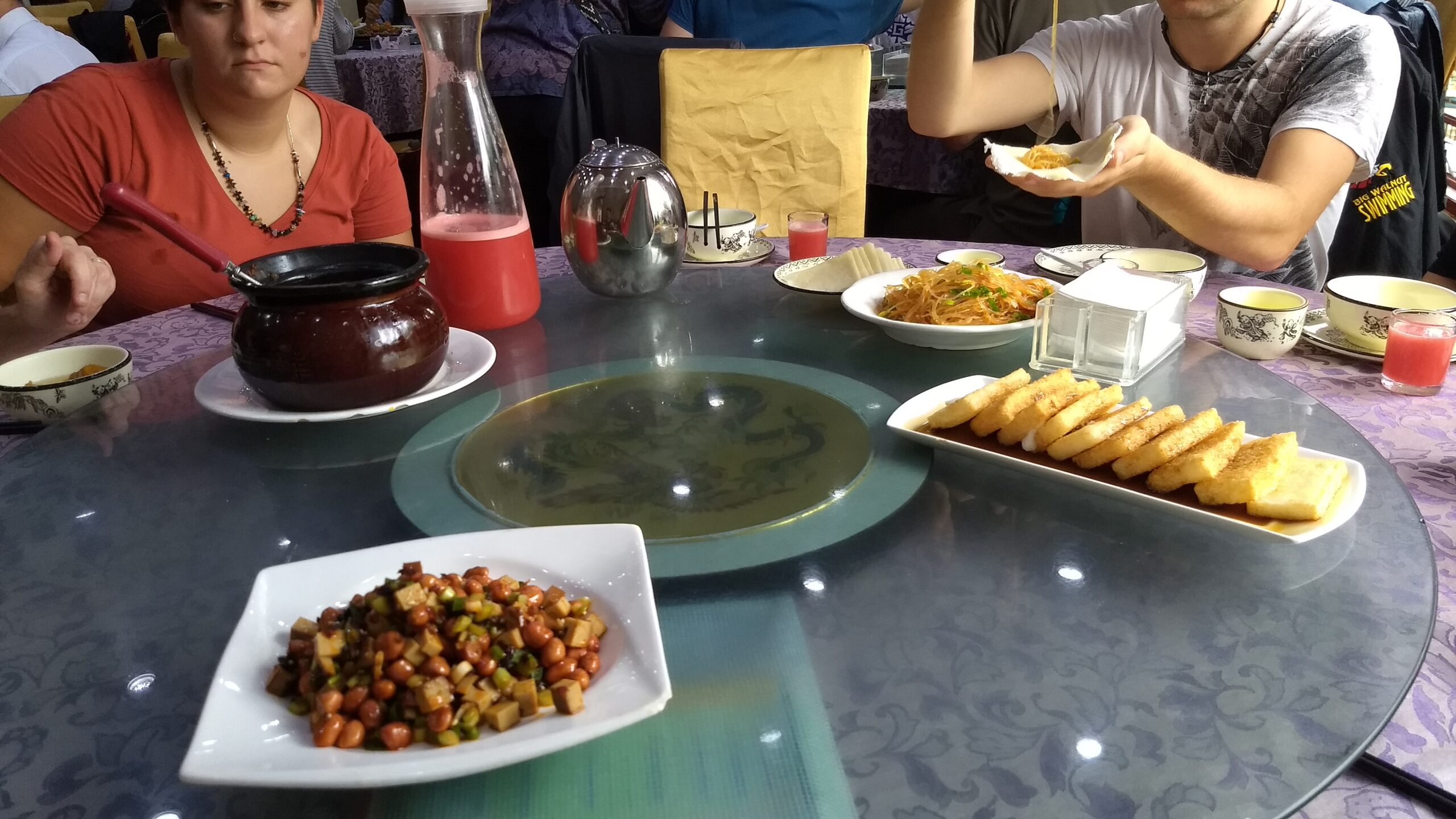
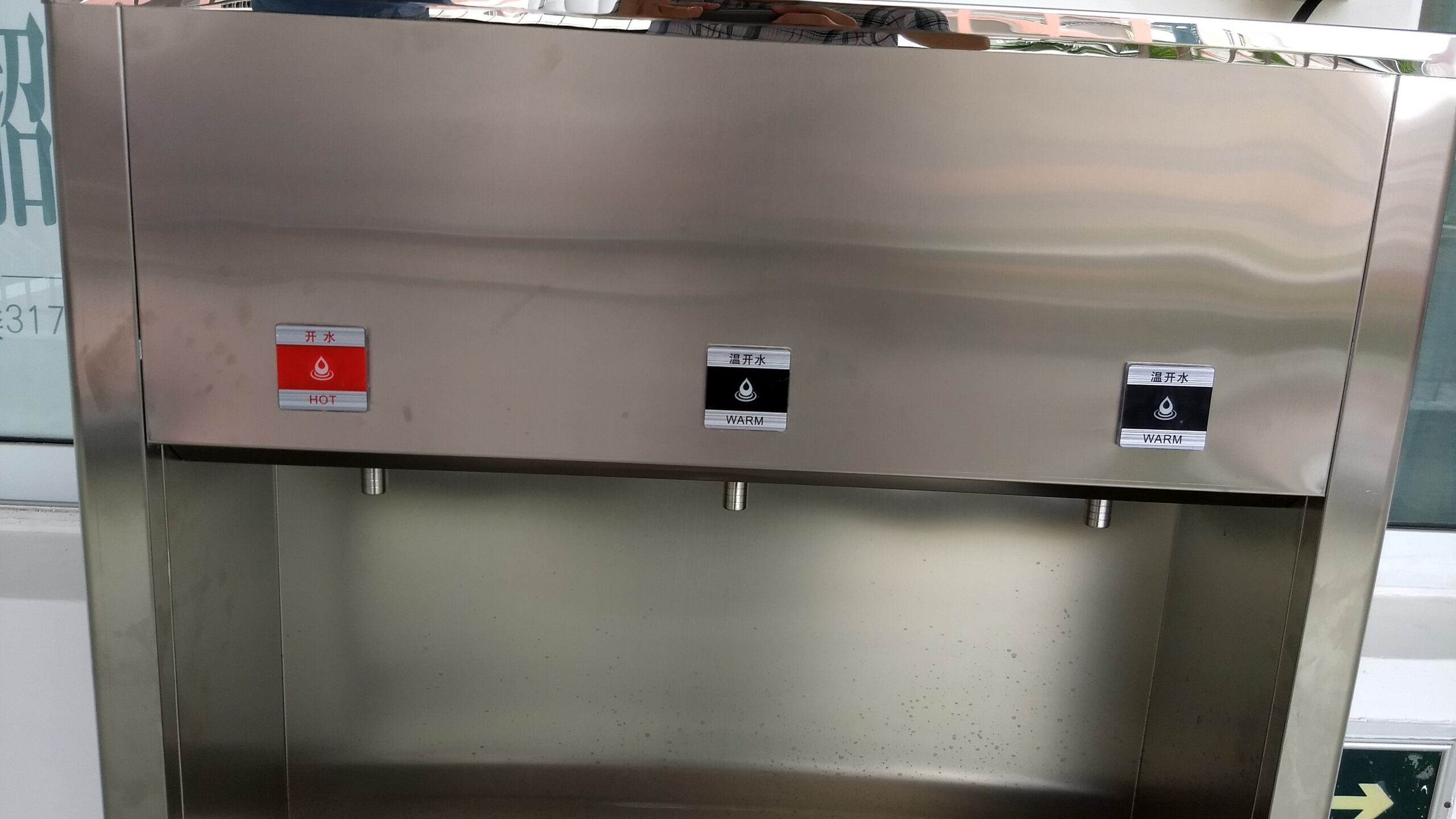
- Third, the table is loud: it is a sign of appreciation to slurp, chomp, or otherwise noisily eat your food, and the Chinese do so without second thought. This is particularly noticeable since their food often has more water 水 than ours does (which is good, because drinking water by itself is rare at best – as a side note, all water is either hot or warm (room temperature), and people drink tea 茶 and soup and eat fruit for their daily liquid intake – the tap water isn’t potable), so it’s easy to make a lot of noise slurping. Hopefully my (eventually) newfound noisy eating habits won’t offend any of you upon my return :).
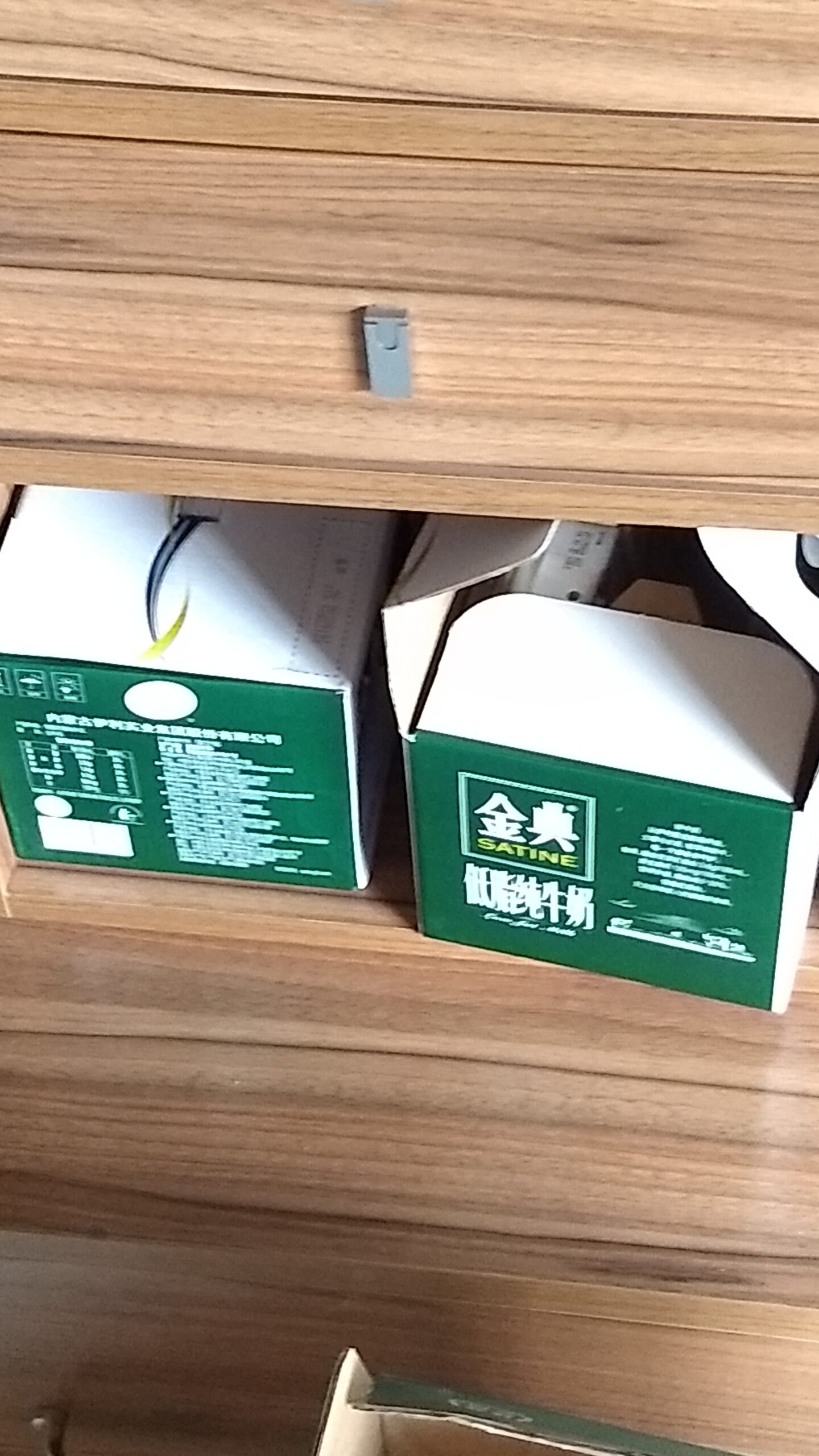
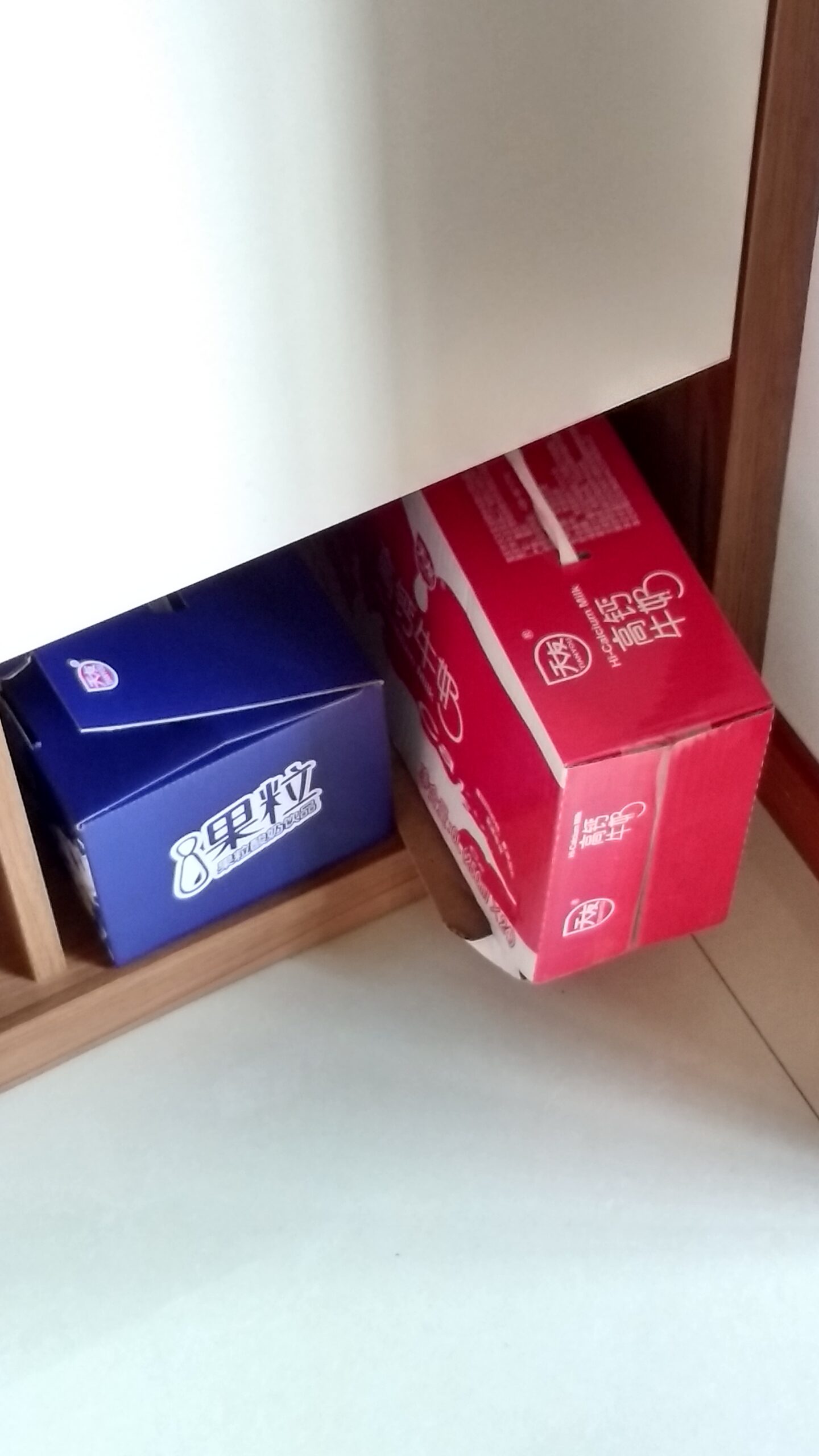
- The university’s campus has a student-run coffee shop (mentioned in the blog), and of course we wanted to try a few drinks. One of us ordered (according to Google Translate, which is the best thing in the world next to drinking water and dumplings), ‘chocolate soda,’ which was a carbonated ice (!) drink with chocolate flavoring. What we were really looking for were milkshakes, though – Sichuan is just the place for a cool, milky drink. We finally found, and someone ordered, a ‘strawberry milkshake,’ and we got to watch the creation process: grab some strawberry flavoring; put it in a blender; add some milk; start blending! At this point we were laughing hysterically – it really is just that, a milk shake. Take some milk, shake it up. Milkshake! And of course, like pretty much all drinks, the milk is more or less room temperature.
- There are 6.5ish Yuan to a US Dollar, and a typical meal will run you 6-10 Yuan (15 if it’s an expensive place or you buy a drink). I’m sure other SST locations experience this (sometimes to an even greater degree), but that doesn’t stop us from being astounded (and excited) at how cheap delicious restaurant food is (not that home food isn’t just as delicious, because it is). I’ll probably talk about food more in a future email, as this one’s getting pretty long.
For now I’m going to say that that’s enough 够了. There is so much more to write about, though! There will be many updates forthcoming, although perhaps not as many as I would hope – days are quite busy, despite the long lunch and evening breaks (homework aplenty, a 5 year old brother to keep me busy, not to mention as much Chinese and free reading as I can squeeze in). Know that I am very much enjoying my time, that I am healthy and well, that I feel blessed to have such a hospitable, welcoming, and friendly family, and that I am observing/learning/reflecting a lot about China’s language, culture, and people. It’s not what I expected, but I expect (ha, that’s gonna work) it will change me in ways I haven’t even considered yet (and I’ve thought of a good few).
Adios 再见 for now,
Christian
PS: Yes, adios. Considering I don’t know all that much Spanish either, you’d think it wouldn’t get stuck in my head, but all I (and a number of my classmates) could think for the first few days was ‘como se dice? por qué?’ and the like. So it goes!
Update 10/20:
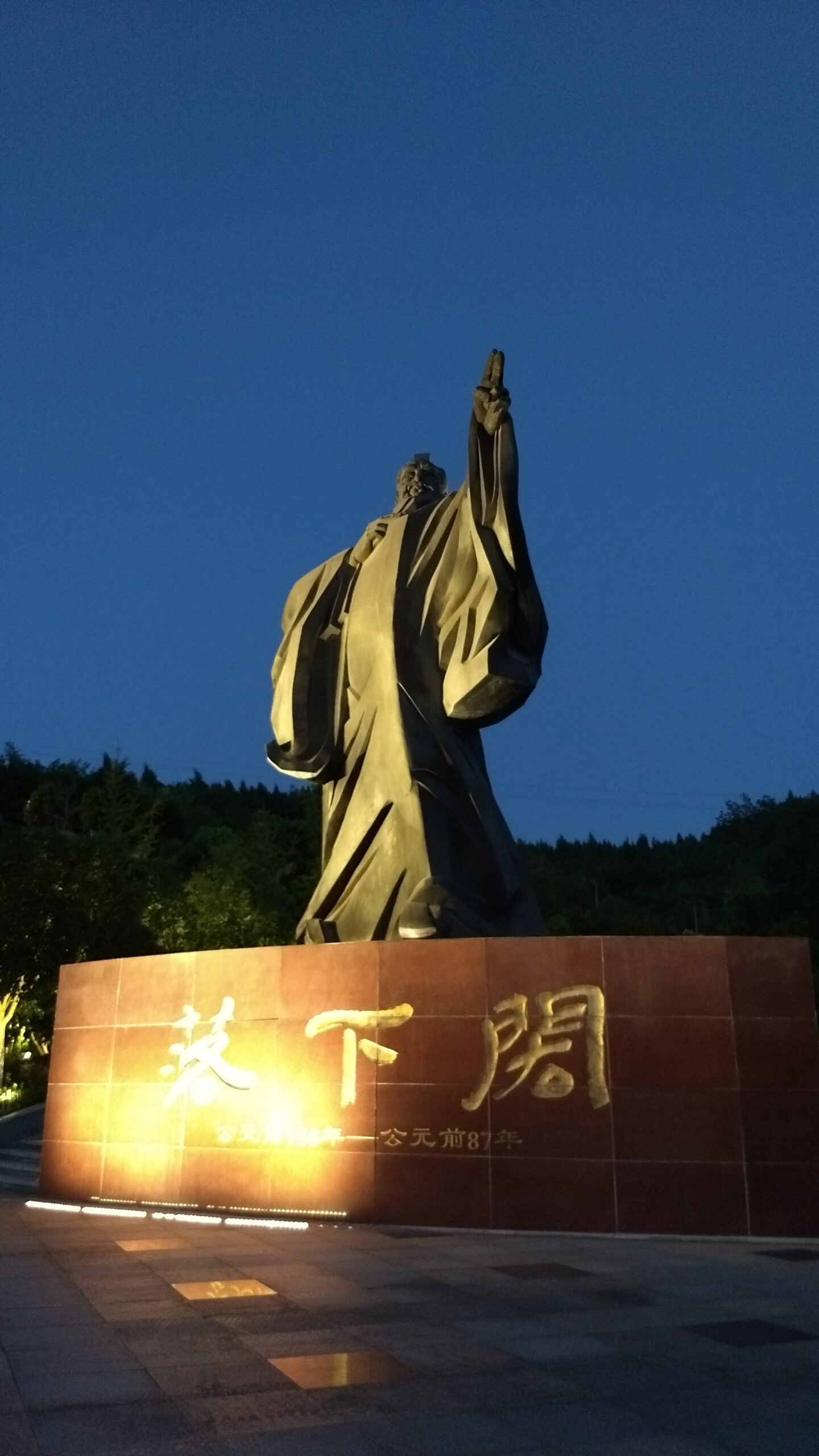
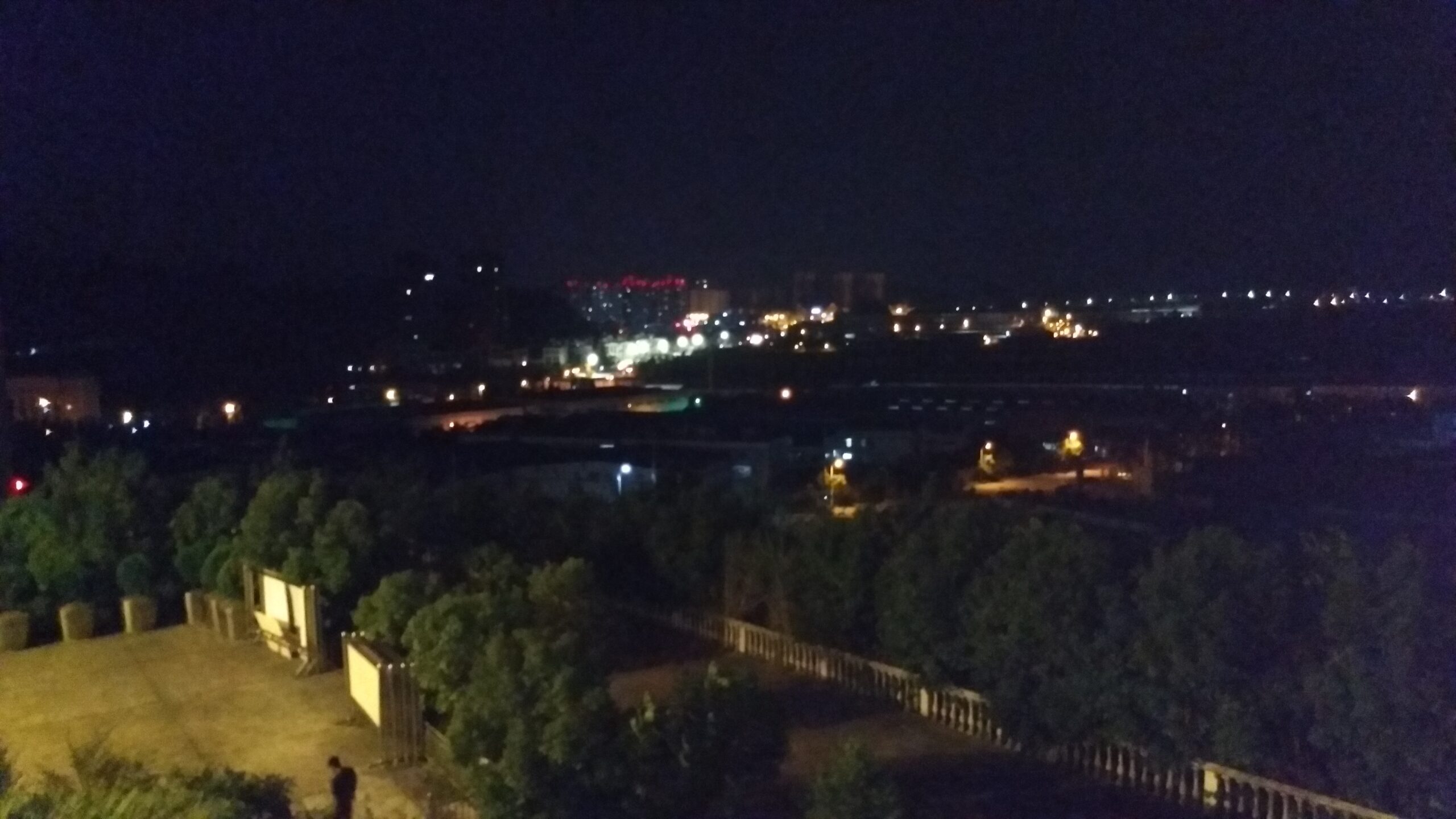
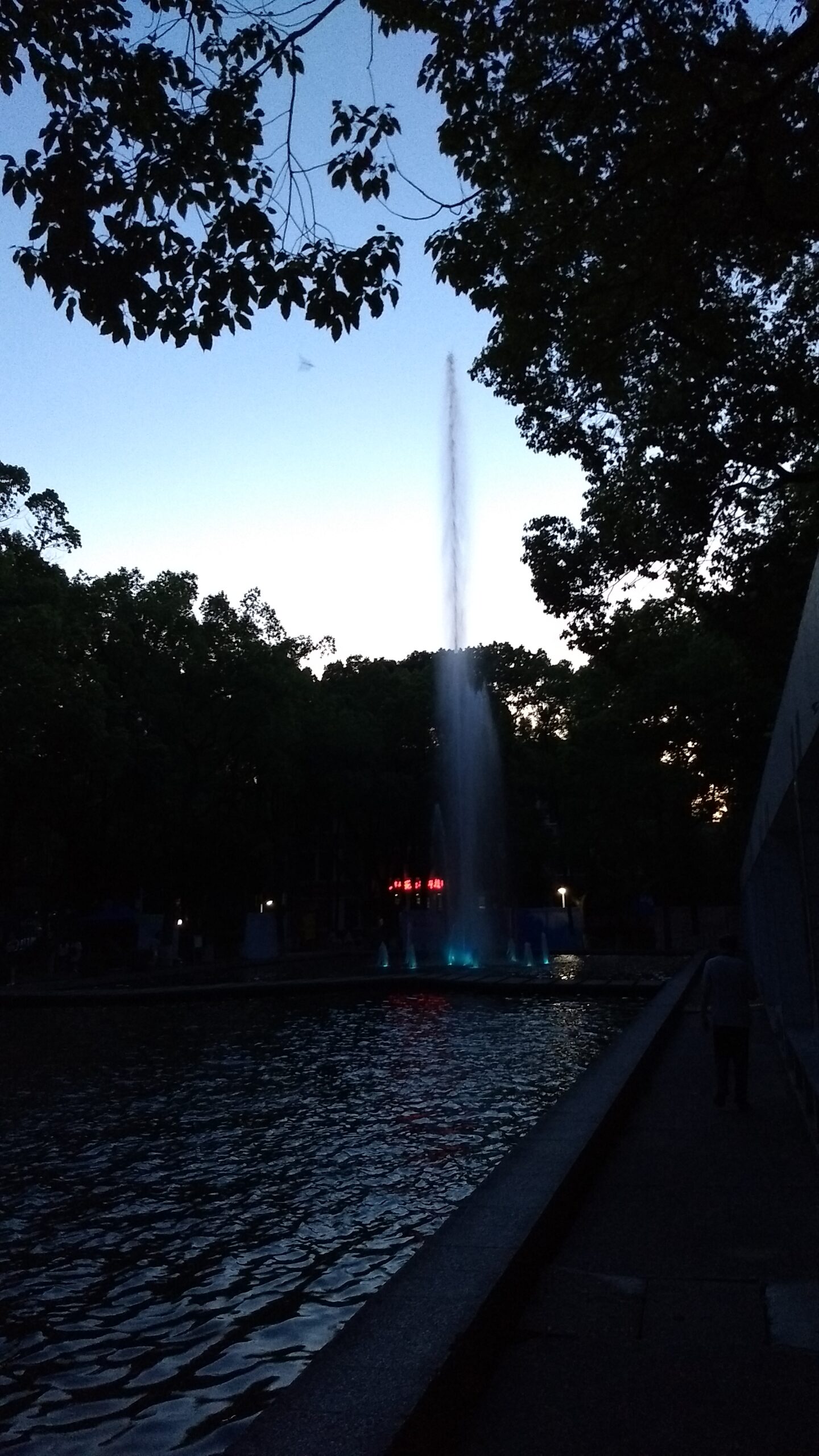
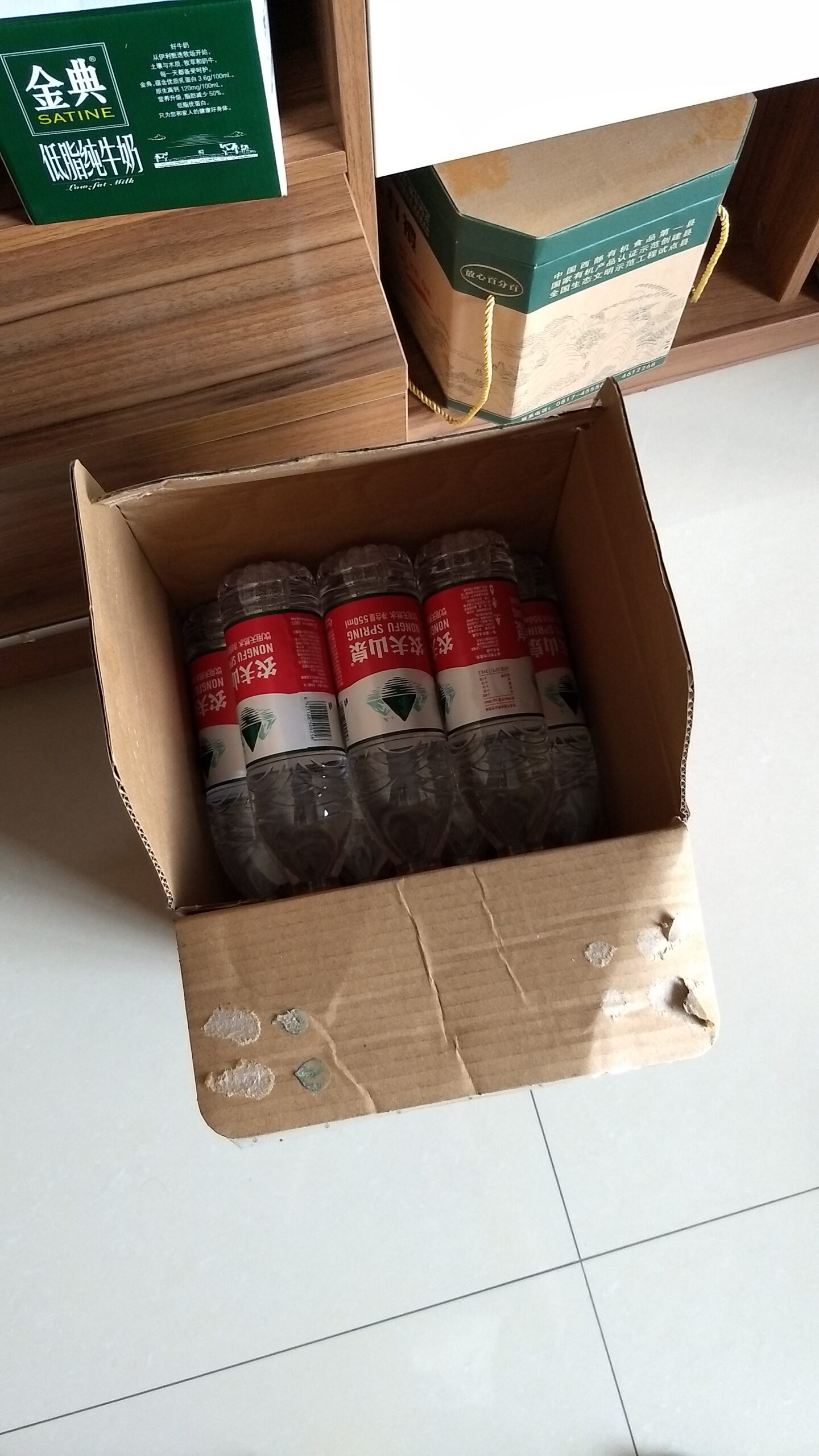
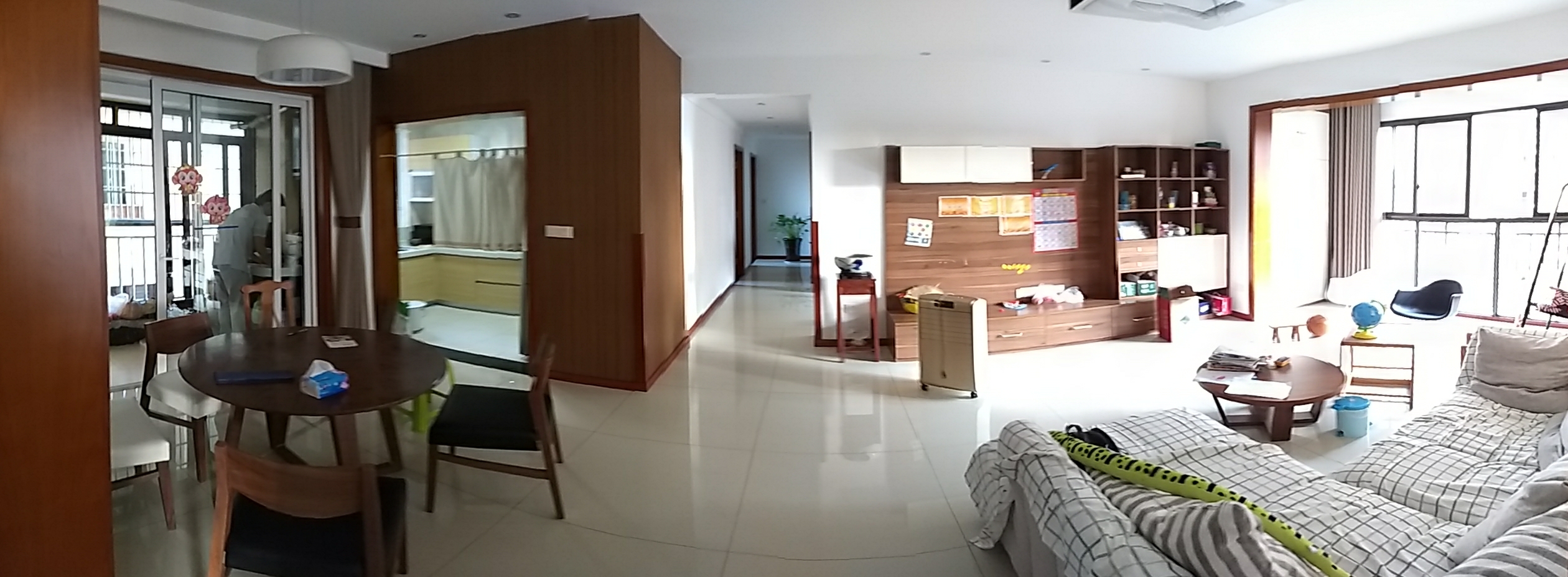
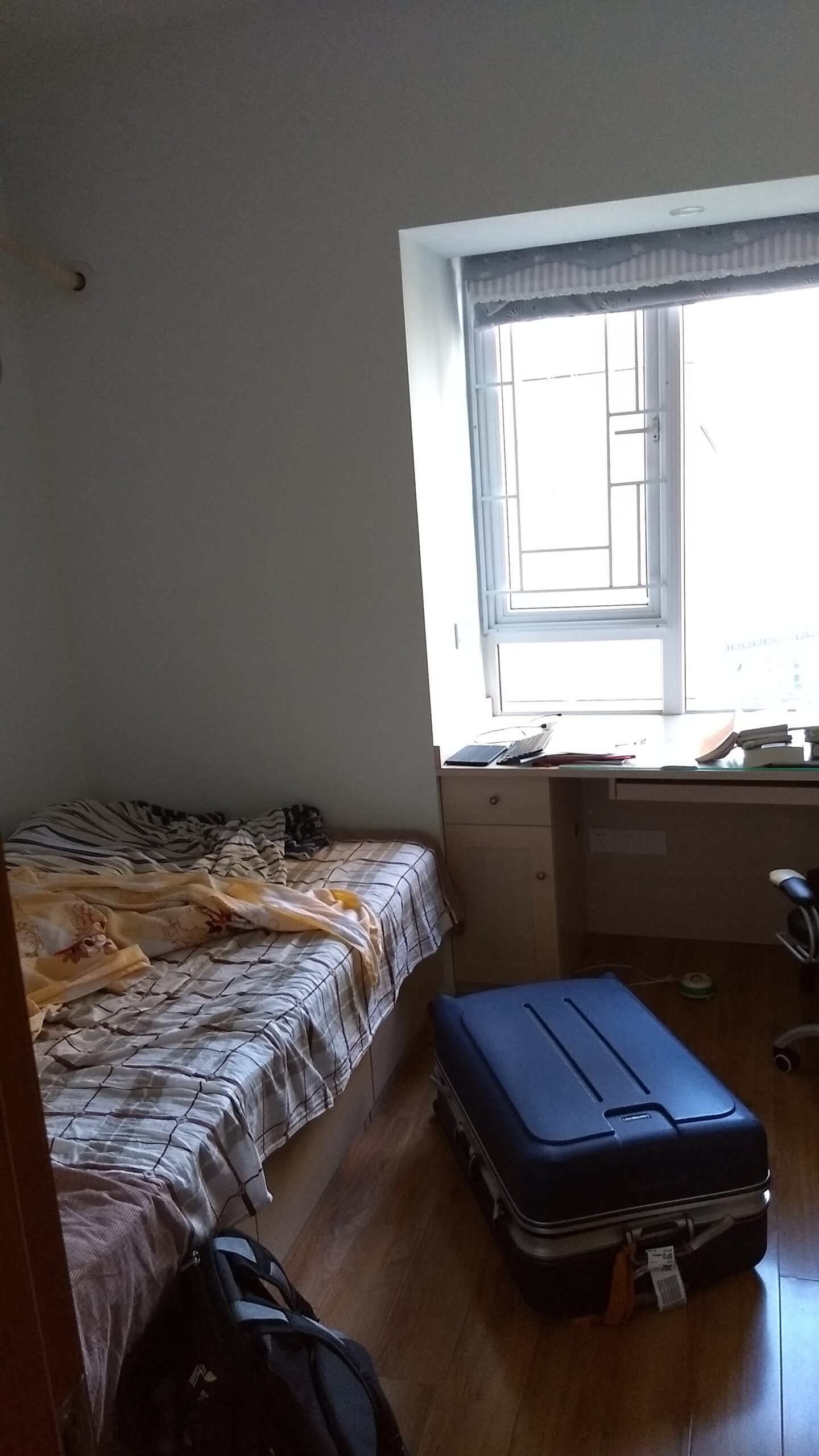
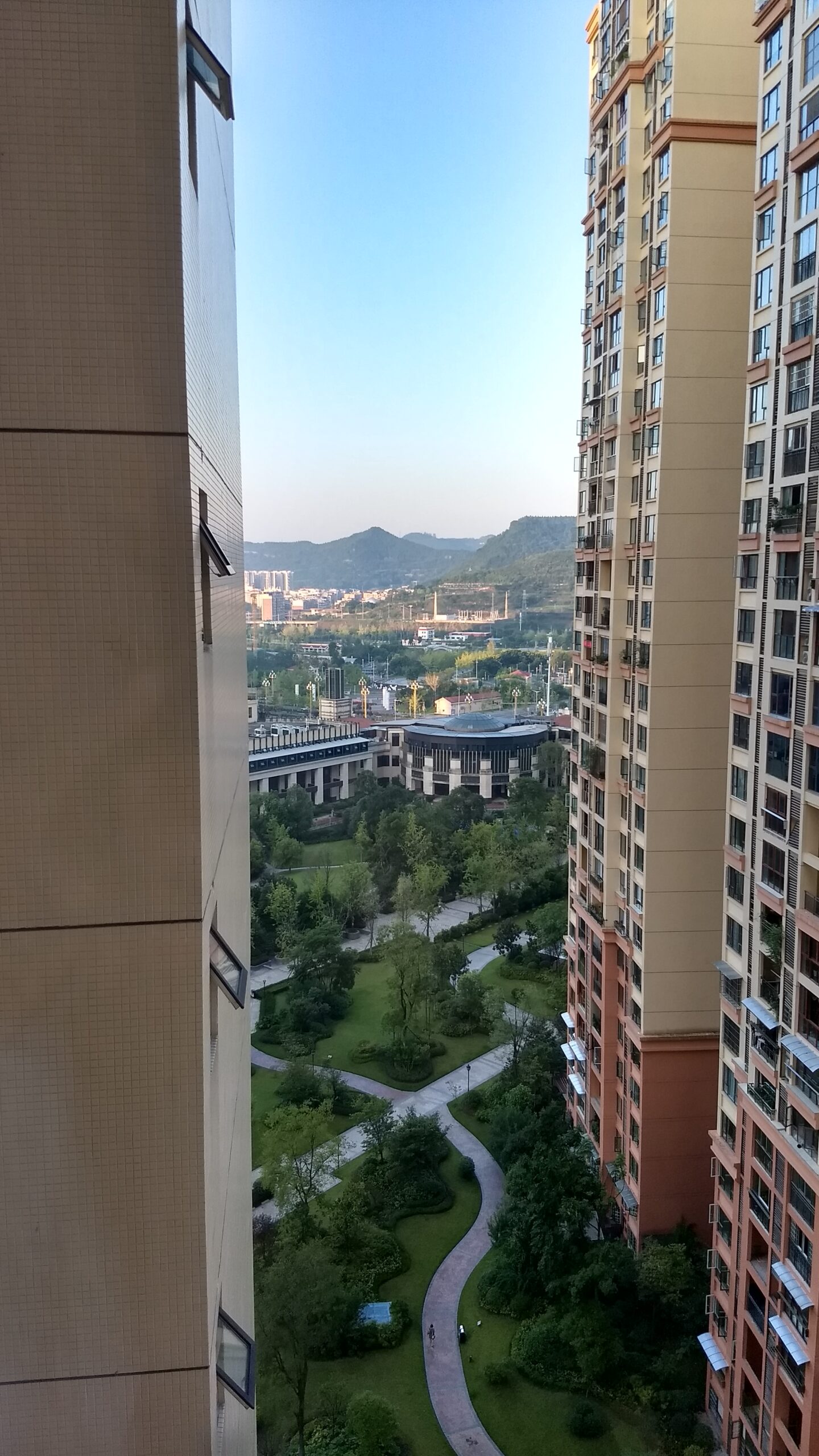
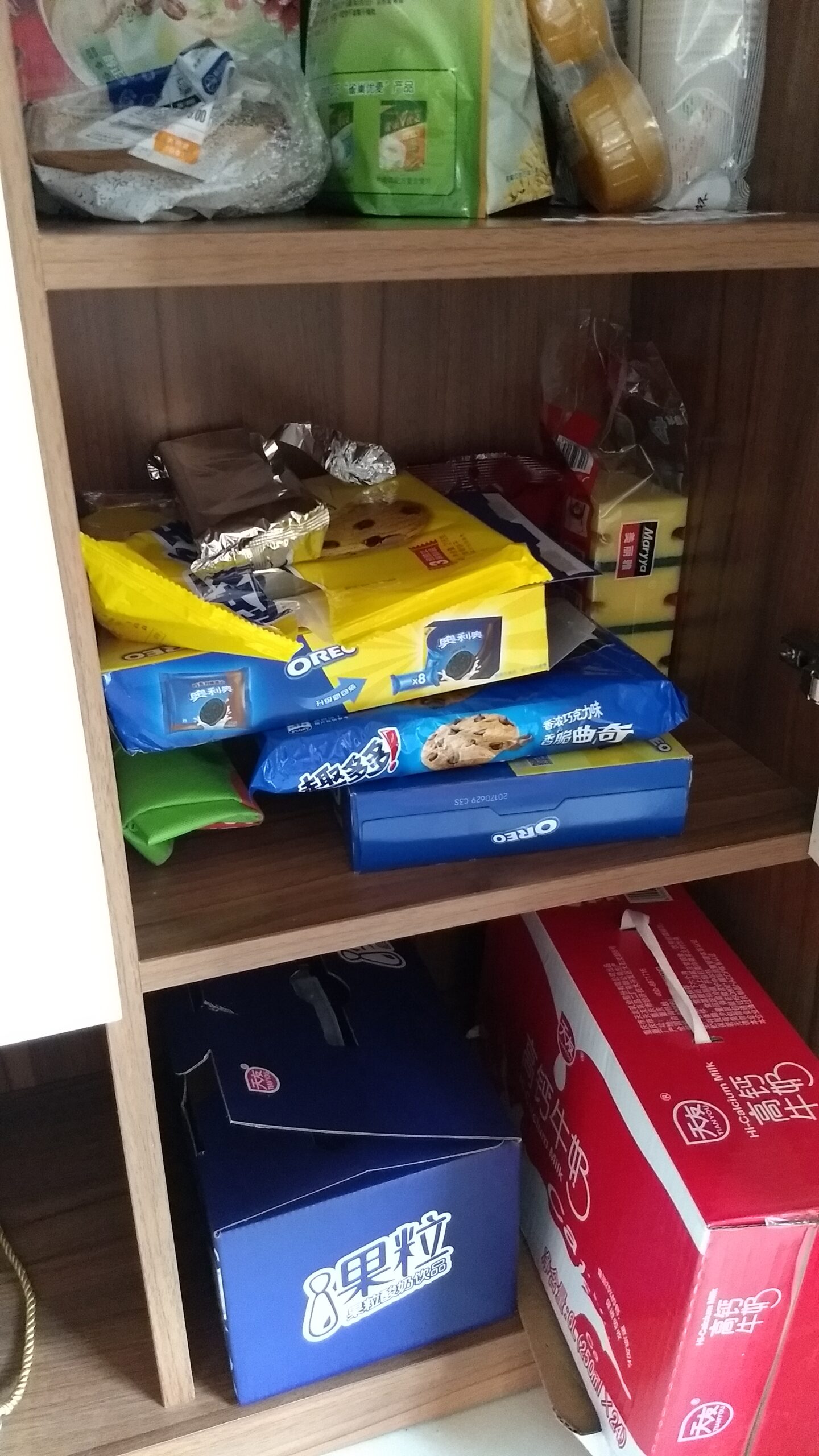
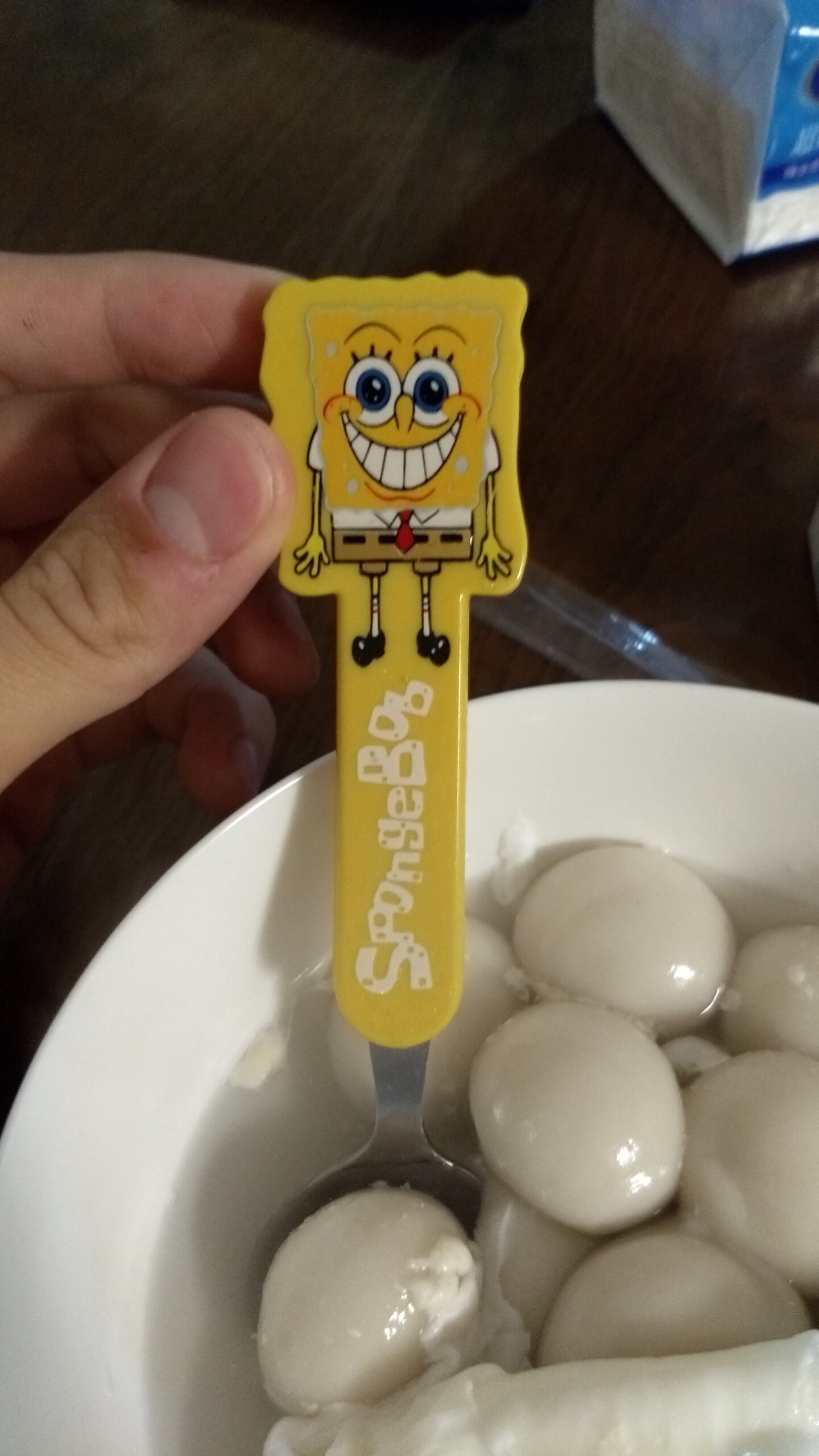
Pictures!








Discover more from China and Beyond
Subscribe to get the latest posts sent to your email.